
What Engaged Couples Expect in 2026
Client expectations never stay still, and if the past few years have taught us anything, it’s that couples are quick to adapt to new trends and ways of planning. This year, it’s more important than ever for wedding professionals to understand not just what couples want, but what they’ve come to expect as part of the planning experience.
To help you prepare for the year ahead, we’re taking a closer look at what brides and grooms are likely to expect in 2026 and how wedding pros can thoughtfully respond to their needs.
Transparent pricing
Clients are doing more research than ever before, and they’re arriving with a strong sense of what things should cost. Many now expect to see starting prices or at least clear guidance on what impacts cost, so they can quickly determine if a vendor is within reach.
Lucy Struve, Owner of Lucy Struve Photography, notes, “Couples are not just desiring, but demanding pricing transparency around wedding vendor services. Couples are inquiring with many more vendors per category than they used to, so vendors without solid sales systems are getting lost in the noise. And, more so than a few years ago, couples are unwilling to jump through hoops and commit to discovery calls without at least a ballpark range of what they can expect to spend.”
Clear pricing helps attract inquiries better aligned with your services and reduces time spent on consultations that were never going to convert. While every business has its reasons for customizing quotes, offering some level of upfront clarity builds trust early.
Genuine connections with vendors
Today’s couples aren’t just hiring for skill but for fit. They want to feel understood and comfortable with the people who will be part of such a personal milestone.
“Engaged couples are taking into consideration more than just the aesthetics of their work,” highlights Colton Simmons, Owner of Colton Simmons Photography. “They are looking at how they connect with their vendor and making sure they fit the ‘vibe’ of the day.”
From a business standpoint, this reinforces how important brand voice and client experience really are. The way you show up on your website, in emails, and on social media all contribute to whether clients feel a real connection with you.
Non-traditional contact methods
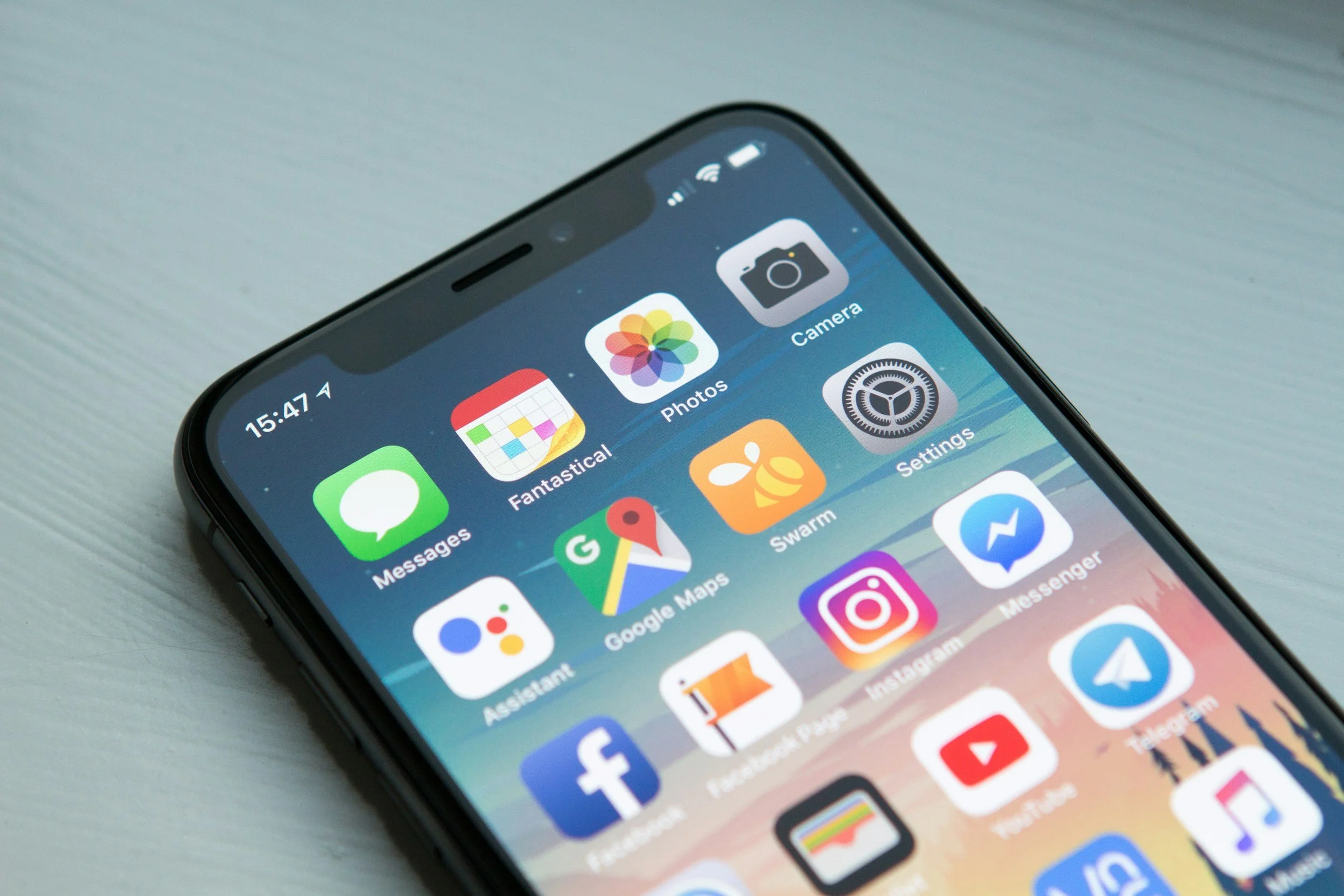
For many couples, sending a DM feels just as natural as filling out a contact form. If they’re already following your work, reaching out on social media is a low-pressure first step before making a formal inquiry.
McKenzi Taylor, Founder/Owner of Cactus Collective Weddings, shares, “Couples aren’t afraid to evaluate wedding pros based strictly on their social media presence, especially newer platforms like TikTok. I find it fascinating how many couples are skipping the website contact form I’ve set up for easy use and operating directly through DMs instead. A couple of years ago, this was unheard of, but now I’ll get an inquiry like this about once a month.”
While DMs may not replace your official booking process, couples increasingly expect some level of responsiveness across platforms. Setting boundaries is essential, but having a system (even a simple auto-reply that directs them to your inquiry form) can keep opportunities from slipping through the cracks.
“Day of” support
Even couples who plan most of their wedding themselves often want reassurance that someone has their back on the day of. They’re realizing that vendor coordination and last-minute issues are hard to manage when you’re also trying to enjoy the moment.
“The biggest thing I am seeing in this moment of booking season is that everyone is asking for a ‘Day Of’ Coordinator,” admits Loni Peterson, Owner of LP Creative Events. “We need to be putting out education to newly engaged couples that while this might be titled ‘day of’, the planning and work that goes into their wedding and execution is never ever a singular day.”
This creates opportunities for pros to clearly communicate what “day of” really means and what level of involvement is realistic. Whether it’s coordination services or add-on support, couples are looking for confidence that someone is actively managing the moving pieces on their big day.
More than just service providers
Brides and grooms want vendors who feel like partners. They value education and thoughtful recommendations, especially when they’re navigating decisions they’ve never had to make before.
Eleonora Gobbo, Planner at Peach Perfect Weddings, explains, “Couples in 2026 expect wedding professionals to act as trusted advisors rather than just service providers. They want guidance that goes beyond portfolios and standard packages. Professionals are expected to understand their vision, anticipate challenges, and provide practical solutions tailored to their needs.”
This often means leaning into your role as an expert. Sharing insights and proactively communicating throughout the process can elevate your perceived value and deepen trust.
Fewer surprises
From pricing to final deliverables, couples are craving predictability in a world that already feels busy and overwhelming. They want to know what’s coming next and when they can expect updates.
“Refine your communication touchpoints so couples understand your process before they ever sign a contract,” recommends Amos Gott, Chief Event Architect at AmosEvents. “Today’s couples want fewer surprises and more clarity, and the businesses that articulate their workflow, expectations, and boundaries upfront will stand out immediately. A polished, thoughtful onboarding experience is no longer a luxury. It is the differentiator.”
Proactive communication goes a long way here. When clients feel informed, they’re less likely to feel anxious, leading to stronger satisfaction with the experience you provide.
Quote comparisons
It’s no longer uncommon for couples to collect multiple quotes before making a decision. With so much information available online, comparison shopping feels like a responsible step rather than a lack of commitment.
Kelley Nudo, Client Relations & Operations Director at Momental Designs, confirms, “Couples are taking the time and effort to collect estimates and proposals before making a decision, which is a significant change from just a few years ago, when couples were making snap decisions as they scrambled to find vendors in the post-pandemic frenzy.”
Because of this, it’s more important than ever to clearly communicate what sets your services apart. Beyond price, couples want to understand differences in experience, inclusions, communication style, and overall approach. These are all factors that can justify a higher investment when positioned well.
Fast response times
Couples are used to instant communication in almost every area of life, so waiting several days for a reply can feel stressful. They may not expect 24/7 availability, but timely acknowledgment has become a baseline expectation.
“Respond immediately,” emphasizes Alicia Igess, Owner and Hair Stylist at Alicia Igess. “Speed is service. Couples are often reaching out to multiple professionals at once. The one who responds quickly signals professionalism and helps the couple to check your services off the list.”
However, you don’t have to be glued to your inbox. You just want to have systems in place. Auto-responders, clear office hours, and organized inquiry workflows help couples feel seen quickly while allowing you to maintain healthy boundaries.
Specialized packages
Rather than one-size-fits-all offerings, clients are gravitating toward services that feel tailored to their priorities. They want options that reflect how they envision their day.
Jocelyn Hunter, Owner of Twickenham House, says, “The growing trend of multi-day weddings presents a valuable opportunity for wedding vendors to offer specialized packages. These could include accommodations, catering, and activities tailored for guests over several days. By providing customizable options, tiered pricing, and loyalty discounts for couples booking multiple services, vendors can enhance the guest experience and differentiate themselves in a competitive market.”
Offering flexible or modular packages can help meet this demand and protect your profitability. It also gives couples a sense of control over their investment, reducing sticker shock and increasing confidence in booking.
Vendors who are close by
Local knowledge still matters. Brides and grooms often feel more comfortable working with vendors who know the venues and logistical quirks of their area.
“In my consultation calls, I notice a lot of couples are choosing a photographer that is closer in location to where their wedding will be, versus flying someone in,” reveals Rachel Maloney, Owner of Rachel Maloney Photography. “I still have a good amount of destination work, but not as much as I did before.”
Highlighting your familiarity with local venues and vendor networks can be a strong differentiator. Being positioned as someone who understands the regional market helps couples feel like they’re in capable hands.
When we balance flexibility with clear communication, everyone benefits. Clients feel more confident in their decisions, and vendors can deliver great experiences without burning out. Staying aware of these shifts is all about continuing to evolve alongside the couples we serve!