How to Create the Perfect Layout in Any Wedding Venue
Creating a beautiful wedding requires stunning decor, perfect lighting and a thoughtful layout that shapes the guest experience. As a wedding planner, you have to adapt to every new venue you work with, but there are some rules of thumb that can ensure a smooth experience no matter where you are.
A well-planned design ensures smooth flow, clear sightlines and comfortable spaces. Discover practical strategies to master any venue and create layouts that work beautifully for every celebration you plan.
1. Understand Your Event Space
Visiting the venue in person is the best way to start planning the wedding layout to get a clear sense of what you’re working with. Walk around and jot down measurements, keeping an eye out for outlets, columns and other unique features that might affect your setup.
Next, request a detailed floor plan from the venue manager. Use it to sketch out your own version to help picture where everything will go and how the seating might work. Remember to check how many people the space can accommodate and whether there are any special guidelines, such as fire codes. That way, your design will look amazing while meeting all the requirements.
2. Prioritize the Flow of Guest Movement
Think about the guest journey from the moment they arrive. A great wedding layout guides people naturally from one area to the next without confusion or crowding.
Avoid bottlenecks by creating clear pathways from the entrance to the ceremony space, then to the cocktail hour and finally to the reception area.
Use signs or visual cues to guide guests and designate clear entry and exit points. Consider desire lines, which are the natural paths people take when moving through a space. When you design with these intuitive routes in mind, the flow feels effortless.
You can also use digital tools to visualize how elements will realistically fit and test different configurations.
3. Design for Key Moments and Transitions
Your design will impact key moments like the ceremony, the grand entrance, toasts and the first dance, so you’ll want to ensure you can anticipate how each will feel for everyone involved. Arrange seating so guests have a clear view of the action, and leave space for photographers to capture memories without blocking anyone’s sight.
You’ll also want to define highlight areas that naturally draw attention. Position these focal points where they're visible from most seats but still feel intimate. When transitions between different parts of the celebration are built into your layout, the event flows seamlessly from one memorable moment to the next.
4. Create Functional Zones
Breaking your venue into distinct zones for different activities helps manage even the largest or most unconventional spaces. Think about creating separate areas for lounging, dining, dancing and interactive elements like photo booths. This zoning strategy is especially valuable in tented receptions where you're working with a blank canvas.
For example, a 20 by 40 tent can accommodate up to 80 individuals when arranged with round tables. You can start by arranging the dining tables, and then see how much space you have left to get creative.
Lounge chairs can create a cozy space for intimate conversations, while a photobooth can fit perfectly in an open corner.
5. Choose the Right Tables for Your Wedding Layout
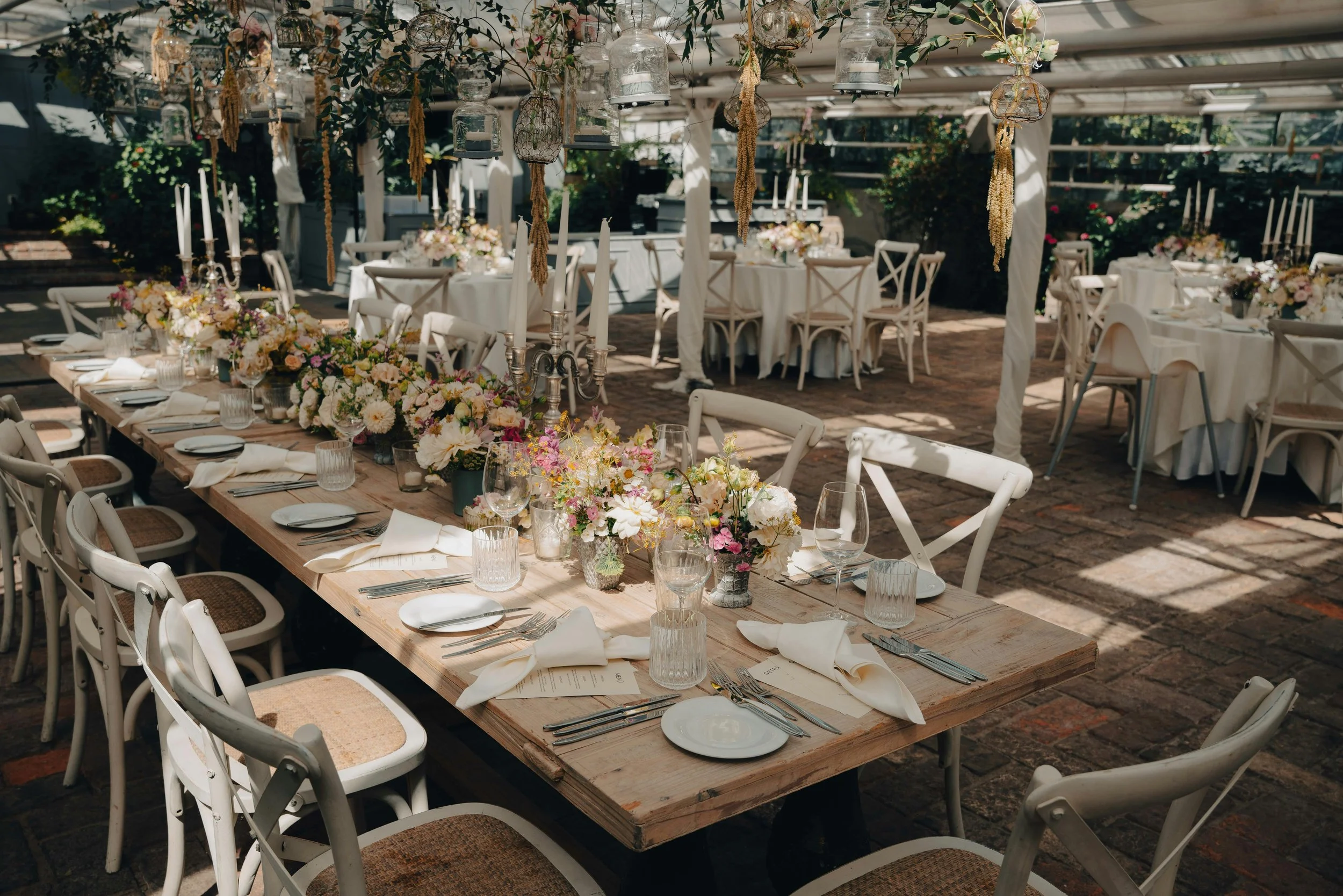
The tables you pick can really set the mood and shape the guest experience. Round tables are perfect for conversation, since everyone can chat easily, while rectangular tables give a more formal feel and often let you seat more people in a tight space.
Don't feel limited to a single table shape. Mixing shapes adds visual interest and lets you tailor the space to different guest groups. You can choose at least two shapes to give the reception a custom, thoughtfully designed feel. Wherever you place the head table, make it a natural focal point to anchor the room.
6. Make the Dance Floor Your Center Stage
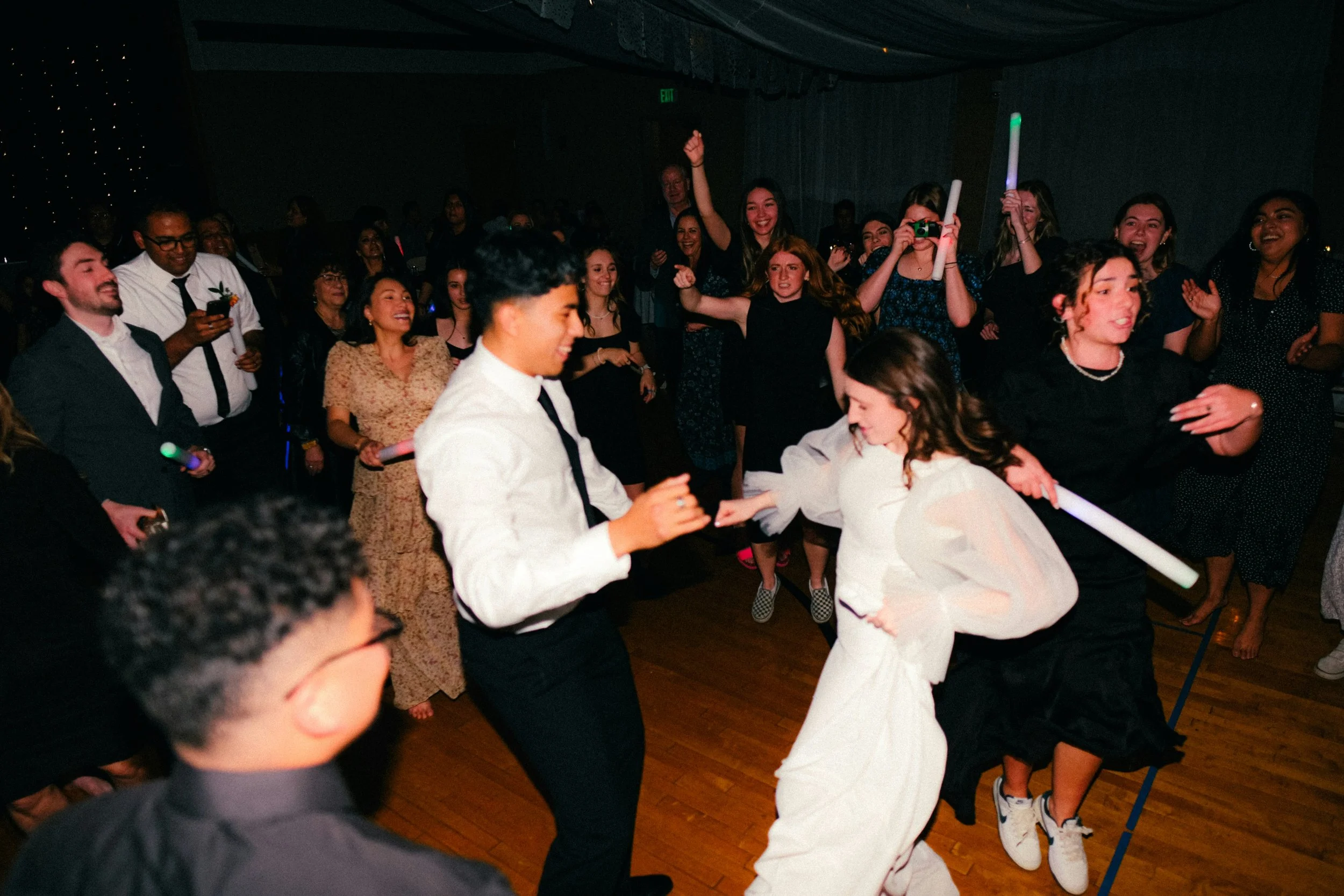
The dance floor deserves special attention when planning your layout. It should be a focal point that's easily accessible and appropriately sized for the guest count. A dance floor that's too small feels overcrowded, while one that's too large can feel empty and uninviting during slower moments.
Place the dance floor centrally within the space, ensuring surrounding seating is unobstructed and guests can easily move from their tables to the floor. Use lighting and decor to draw attention to this area. A spotlight during the couple's first dance creates a memorable moment and establishes the dance floor as the heart of the celebration for the rest of the evening.
7. Finalizing Your Flawless Wedding Venue Layout
A great layout is the secret ingredient that helps your client’s wedding feel special and effortless. By taking the time to get to know your space, focusing on the flow, planning for those key moments and creating clear zones, you’re setting the stage for a celebration that’s as comfortable as it is beautiful. Every event is unique, so trust yourself and stay flexible as you put these tips into action.
Cora Gold is a wedding writer and editor for women's lifestyle magazine, Revivalist. She has been featured on Brides, Love Inc., and more, covering modern wedding trends and professional insights.